Understanding Cataract Surgery for Keratoconus Patients
Keratoconus is a progressive eye condition where the cornea thins and bulges outward, leading to distorted vision. When patients with keratoconus develop cataracts, cataract surgery for keratoconus requires specialized planning to ensure optimal outcomes. Standard cataract surgery may not fully address the unique challenges posed by the irregular corneal shape in keratoconus patients. Therefore, a tailored approach is essential.
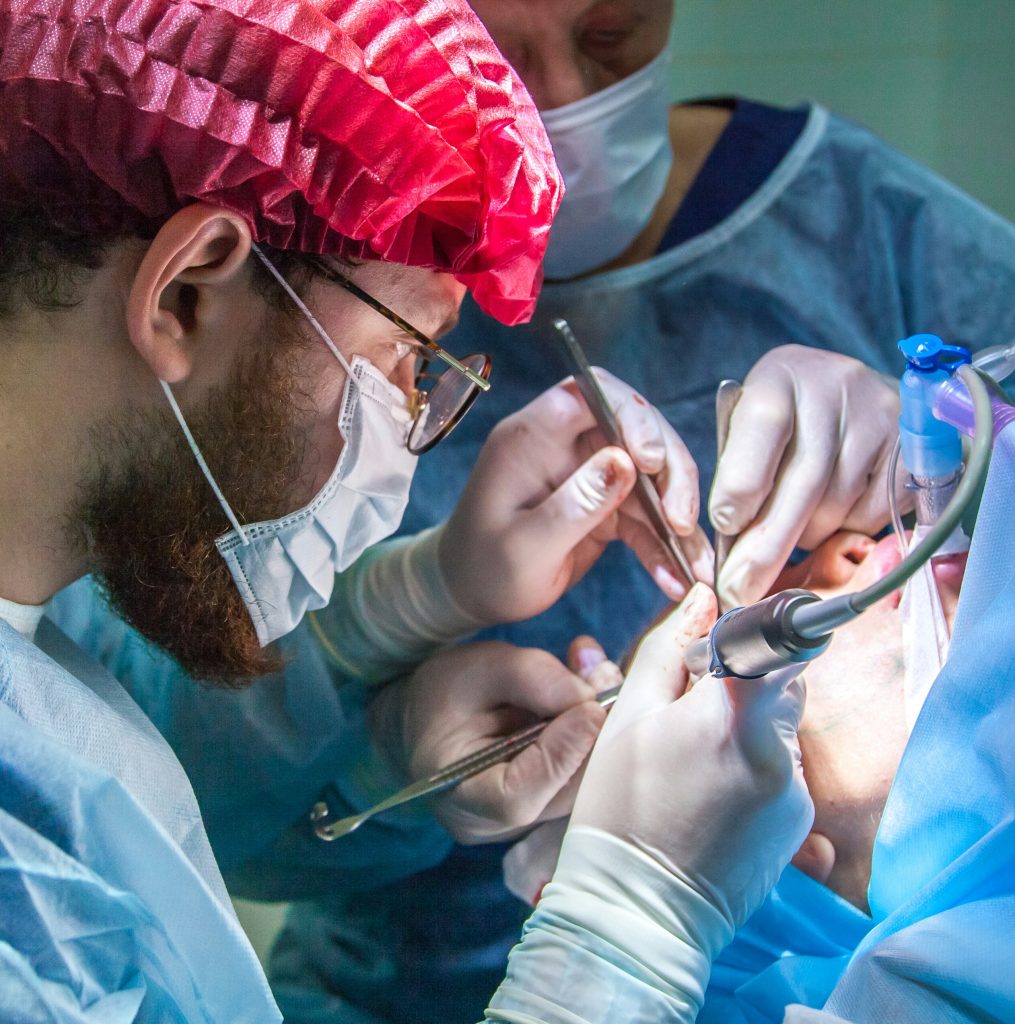
Key Considerations for Cataract Surgery in Keratoconus Patients
For patients with keratoconus, cataract surgery for keratoconus involves several critical considerations:
- Pre-Surgical Evaluation: A thorough assessment of corneal shape, thickness, and overall eye health is necessary. Advanced imaging techniques, such as corneal topography, help map the cornea’s irregularities, guiding the surgical plan.
- IOL Selection: Choosing the right intraocular lens (IOL) is crucial. Standard IOLs may not provide optimal vision due to the irregular cornea. Premium IOLs, such as toric or multifocal lenses, may be considered, but their suitability depends on the severity of keratoconus.
- Corneal Stability: The stability of the cornea is a significant factor. If keratoconus is advanced, additional procedures like corneal cross-linking (CXL) may be required before or after cataract surgery to strengthen the cornea.
- Surgical Technique: The surgical approach may need adjustments to accommodate the irregular corneal shape. Techniques such as femtosecond laser-assisted cataract surgery can enhance precision.
Risks and Challenges
Cataract surgery for keratoconus patients comes with specific risks and challenges:
- Unpredictable Refractive Outcomes: The irregular corneal shape can make it difficult to predict the final refractive outcome, potentially leading to residual refractive errors.
- Increased Risk of Complications: Patients with keratoconus may have a higher risk of complications, such as corneal edema or IOL dislocation, due to the weakened corneal structure.
- Need for Additional Procedures: In some cases, additional procedures like corneal transplants or PRK (Photorefractive Keratectomy) may be necessary to achieve the best visual results.
Post-Surgical Care and Expectations
After cataract surgery for keratoconus, patients should be prepared for a potentially longer recovery period. Regular follow-up visits are essential to monitor healing and address any complications promptly. Vision may take longer to stabilize, and additional corrections, such as glasses or contact lenses, may still be required.
If you are unsure whether your symptoms require emergency attention, it is safer to call your healthcare provider or eye clinic for advice.
With Pakistan’s internationally trained and most experienced cataract surgeons, corneal transplant surgeons and eye surgeons specializing in every single sub specialty in ophthalmology, The Eye Center – Dr. Mahnaz Naveed Shah & Associates in Karachi provides guidance for both routine and urgent eye care needs. Their team can advise whether you should schedule a screening or seek immediate attention, ensuring safety and comfort. For expert consultation, contact The Eye Center – Dr. Mahnaz Naveed Shah & Associates at 03041119544 to book an appointment.
With a proven track record of excellence in glaucoma and cataract care, Dr. Mahnaz Shah and her team are here to help you protect your vision—with confidence.