Understanding Cataracts in Young Adults
While cataracts are often associated with aging, they can also develop in young adults. Cataracts in young adults can result from various factors, including genetics, trauma, or underlying health conditions. Unlike age-related cataracts, which develop gradually, cataracts in younger individuals may progress more quickly and require timely intervention.
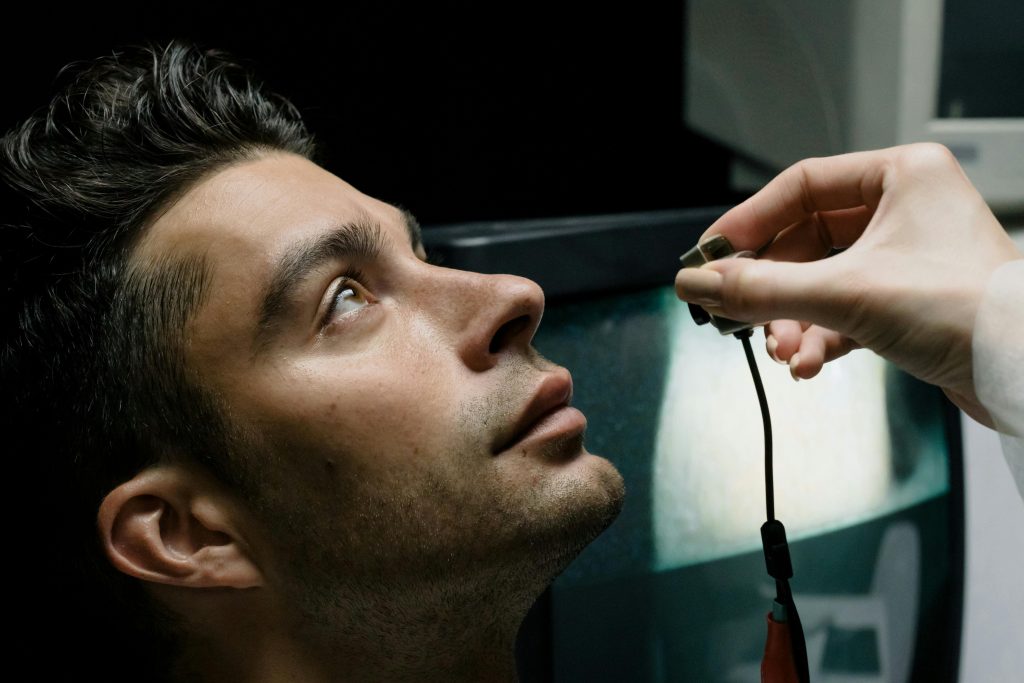
Causes of Cataracts in Young Adults
Several factors can contribute to cataracts in young adults. Genetic predisposition plays a role, as a family history can increase the likelihood of developing cataracts at a younger age. Eye injuries, or trauma, may also lead to their formation, even in young, healthy individuals. Certain medical conditions—such as diabetes or uveitis—can accelerate cataract development, while long-term use of steroids or other medications may further elevate the risk. Lifestyle factors, including smoking, excessive alcohol consumption, and prolonged UV exposure, can also contribute to early cataract formation.
Symptoms of Cataracts in Young Adults
If you have cataracts as a young adult, you may notice your vision becoming blurred or cloudy, with the effect gradually worsening over time. Bright lights, particularly at night while driving, might cause increased sensitivity to glare. You could also struggle to see clearly in low light or dim environments, and colors may start to appear faded or yellowed, losing their usual vibrancy. Additionally, you might find yourself needing frequent updates to your eyeglass prescription as your vision continues to deteriorate.
Diagnosis and Treatment
Diagnosing cataracts in young adults typically involves a comprehensive eye exam, including:
- Visual acuity tests to measure the clarity of your vision.
- Slit-lamp examinations to inspect the lens and other structures of the eye.
- Retinal exams to assess the health of the retina and optic nerve.
Treatment options for cataracts in young adults may include:
- Updated Eyeglasses or Contact Lenses: Early-stage cataracts may be managed with corrective lenses.
- Surgery: If cataracts significantly impair vision, surgical removal of the cloudy lens and replacement with an intraocular lens (IOL) may be recommended.
If you are unsure whether your symptoms require emergency attention, it is safer to call your healthcare provider or eye clinic for advice.
With Pakistan’s internationally trained and most experienced cataract surgeons, corneal transplant surgeons and eye surgeons specializing in every single sub specialty in ophthalmology, The Eye Center – Dr. Mahnaz Naveed Shah & Associates in Karachi provides guidance for both routine and urgent eye care needs. Their team can advise whether you should schedule a screening or seek immediate attention, ensuring safety and comfort. For expert consultation, contact The Eye Center – Dr. Mahnaz Naveed Shah & Associates at 03041119544 to book an appointment.
With a proven track record of excellence in glaucoma and cataract care, Dr. Mahnaz Shah and her team are here to help you protect your vision—with confidence.