Understanding the Procedures
What Is a Corneal Transplant?
A corneal transplant, or keratoplasty, replaces a damaged or diseased cornea with healthy donor tissue. This procedure restores clarity and function to the eye’s front surface.
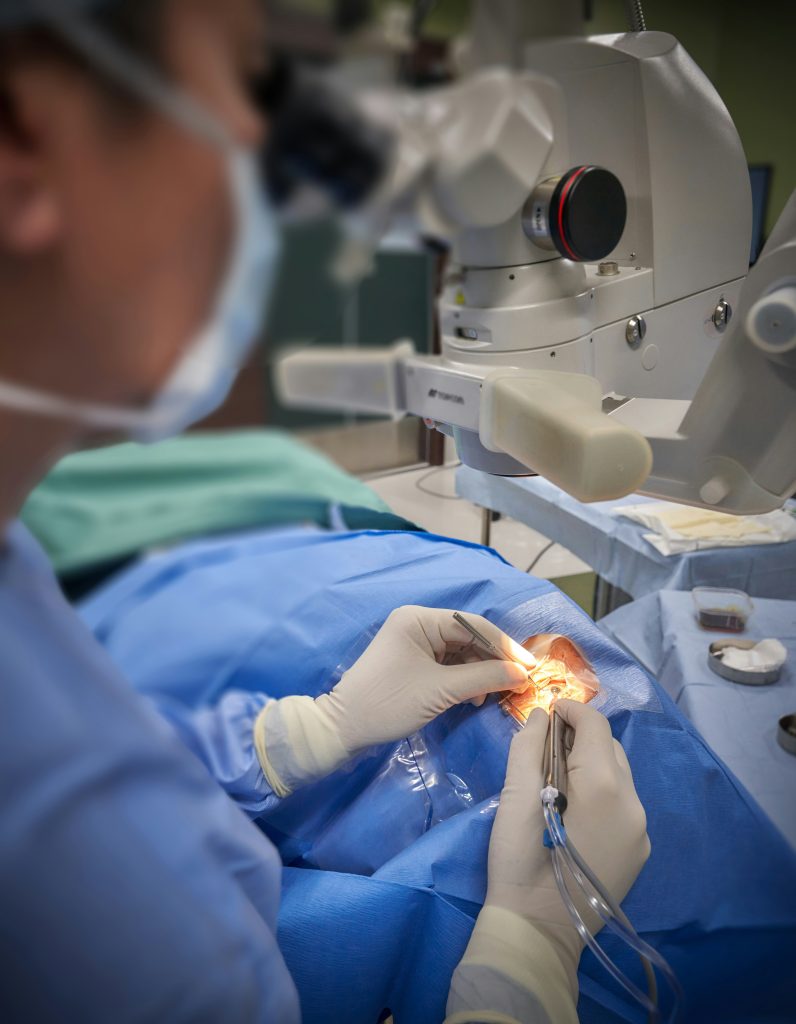
What Is Cataract Surgery?
Cataract surgery removes the cloudy natural lens of the eye and replaces it with an artificial lens. This surgery aims to restore clear vision affected by cataracts.
Why Are They Performed?
Purpose of Corneal Transplants
Corneal transplants treat conditions like corneal scarring, keratoconus, or corneal dystrophies. These issues can impair vision by distorting light entry into the eye.
Purpose of Cataract Surgery
Cataract surgery addresses the clouding of the eye’s lens, which scatters light and causes blurred vision. It is primarily performed to improve vision clarity.
The Procedures Explained
Corneal Transplant Procedure
During a corneal transplant, the surgeon removes the damaged cornea and replaces it with a donor cornea. Then, the new cornea is stitched into place, and recovery involves healing and integration of the new tissue.
Cataract Surgery Procedure
Cataract surgery involves removing the cloudy lens and replacing it with an intraocular lens (IOL). This outpatient procedure is quick, and it typically results in rapid vision improvement.
Recovery and Outcomes
Corneal Transplant Recovery
Recovery from a corneal transplant can take several months. Patients need to use eye drops to prevent rejection and infection. Meanwhile, vision improvement is gradual as the eye heals.
Cataract Surgery Recovery
Cataract surgery recovery is usually faster, with many patients noticing improved vision within days. Full healing occurs within a few weeks, and most return to normal activities quickly.
Choosing the Right Option
Corneal transplants and cataract surgery serve different purposes. If your vision is affected by corneal damage, a transplant may be the solution. However, if cataracts are clouding your vision, cataract surgery can restore clarity. Therefore, consult an eye specialist to determine the best procedure for your needs.
If you are unsure whether your symptoms require emergency attention, it is safer to call your healthcare provider or eye clinic for advice.
With Pakistan’s internationally trained and most experienced cataract surgeons, corneal transplant surgeons and eye surgeons specializing in every single sub specialty in ophthalmology, The Eye Center – Dr. Mahnaz Naveed Shah & Associates in Karachi provides guidance for both routine and urgent eye care needs. Their team can advise whether you should schedule a screening or seek immediate attention, ensuring safety and comfort. For expert consultation, contact The Eye Center – Dr. Mahnaz Naveed Shah & Associates at 03041119544 to book an appointment.